Article
Sep 2, 2025
5 Common Mistakes International Brands Make When Entering the German Market
Expanding into Germany offers huge opportunities, but international brands often stumble by underestimating local expectations, culture, and media dynamics. Here are the five most common mistakes — and how to avoid them.
Introduction: Why Germany is Different
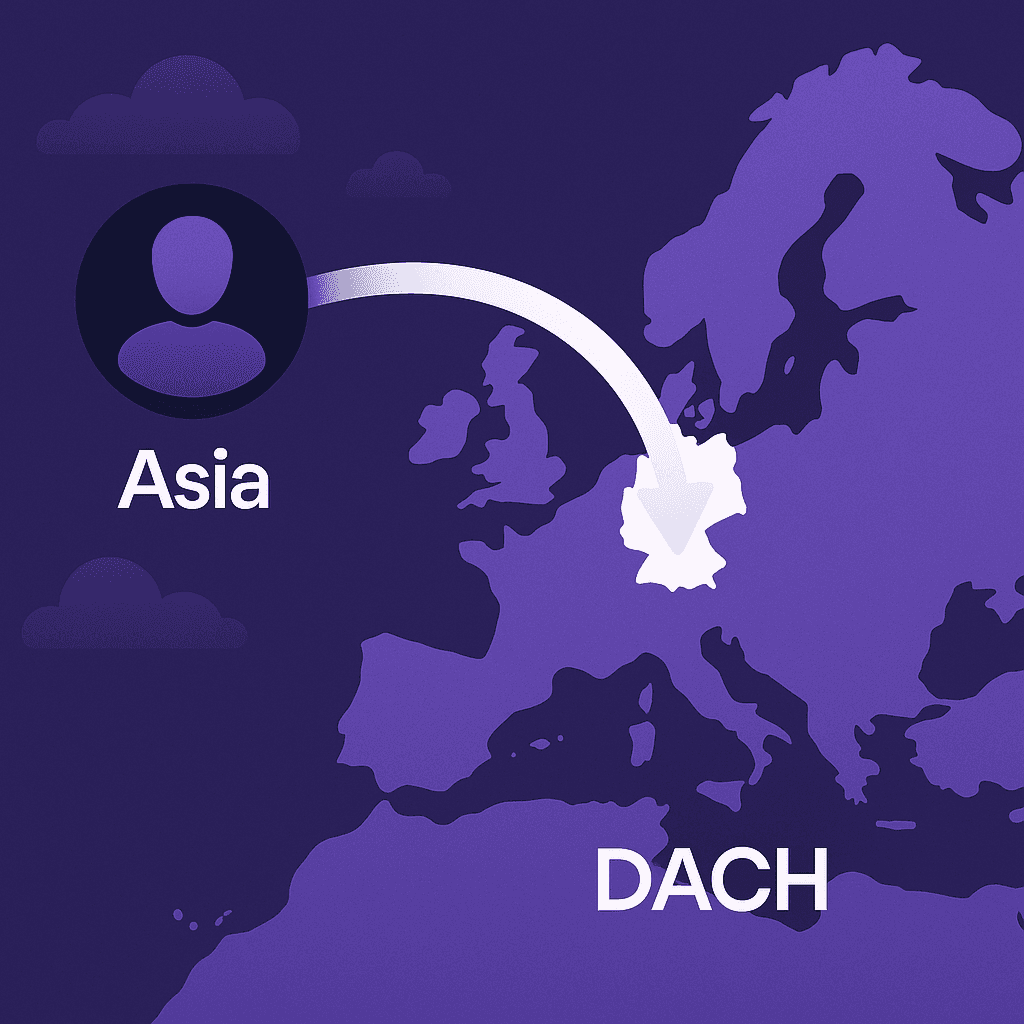
Germany is the largest economy in Europe and a gateway to the DACH region (Germany, Austria, Switzerland). It’s a market known for high purchasing power, strong consumer expectations, and a highly competitive media landscape.
For international companies — especially those coming from Asia — entering Germany can accelerate growth, but only if done right. Too often, brands underestimate cultural nuances, compliance standards, and PR realities. The result? Wasted resources, weak visibility, and slow traction.
Here are five common mistakes we see — and how your brand can avoid them.
1. Ignoring Cultural Nuances
Many brands assume that what works in their home market will resonate in Germany. But German audiences are different:
They value direct, clear communication. Overly promotional or “flashy” messaging can feel inauthentic.
Germans expect detailed product information before making a decision. Transparency builds trust.
Subtle cultural missteps (like poor translations or tone-deaf campaigns) can damage credibility instantly.
How to fix it:
Invest in localization, not just translation. Adapt your story to German values — precision, quality, reliability. A locally attuned PR partner can sharpen your message.
2. Underestimating Media Relationships
Unlike some markets, German journalists are not easily swayed by generic press releases. They expect relevance and real value.
Blanket pitches to random outlets rarely work.
Journalists want proof points, data, and expert voices.
Long-term trust is valued more than one-off “PR blasts.”
How to fix it:
Build long-term relationships with relevant journalists and outlets. Offer exclusives, strong data, and story angles that fit their readership. A structured press engine like Mebound ensures your brand is on-message and visible.
3. Forgetting Compliance & Regulations
Germany has some of the strictest rules in Europe when it comes to:
Data protection (GDPR)
Advertising standards
Product certifications
Failing to align with these can lead to delays, fines, or reputational damage.
How to fix it:
Do your homework early. Work with local advisors to ensure product claims, data use, and campaign assets comply with EU and German standards.
4. Overlooking the DACH Region as a Whole
Some brands focus only on Germany, missing the bigger picture: Austria and Switzerland often follow similar trends but require tailored outreach.
Austria: Smaller market but media-savvy and culturally close to Germany.
Switzerland: Wealthy, highly international, but fragmented media landscape (German, French, Italian).
How to fix it:
Think DACH strategy, not just “Germany.” Position your campaigns to cover the region while respecting local nuances.
5. Measuring the Wrong Metrics
Brands often celebrate vanity metrics like impressions or likes. But in Germany, credibility and share of voice in quality media matter more than sheer numbers.
How to fix it:
Track:
Media coverage quality (tier 1 vs. low-relevance outlets)
Sentiment analysis (positive, neutral, negative)
Message pull-through (are your key messages visible?)
Share of voice vs. competitors
AI-powered monitoring tools, like the Mebound Media Monitor, help turn coverage into insights you can act on.
Conclusion: From Mistakes to Market Success
Germany is a high-potential but demanding market. Success requires:
Localized storytelling
Strong journalist relationships
Compliance readiness
Regional awareness (DACH)
Smart measurement
International brands that invest in these areas gain not just media coverage — but lasting traction, trust, and growth in Europe’s most influential economy.
At Mebound, we help companies from Asia and beyond sharpen their narratives, build visibility, and win the trust of European audiences.